- Whatsapp: +8615825688470
- Email: [email protected]


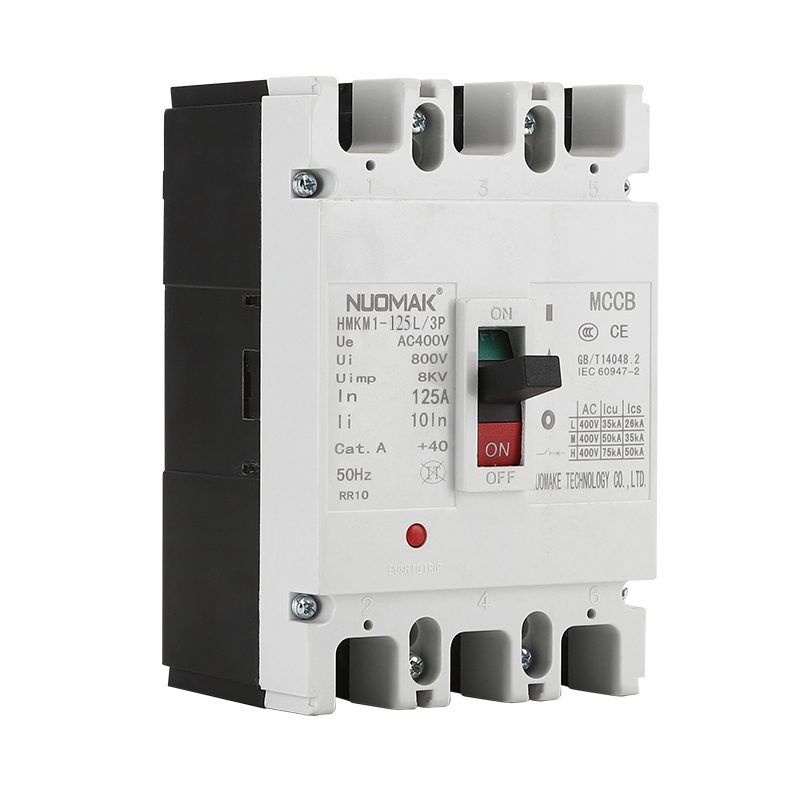
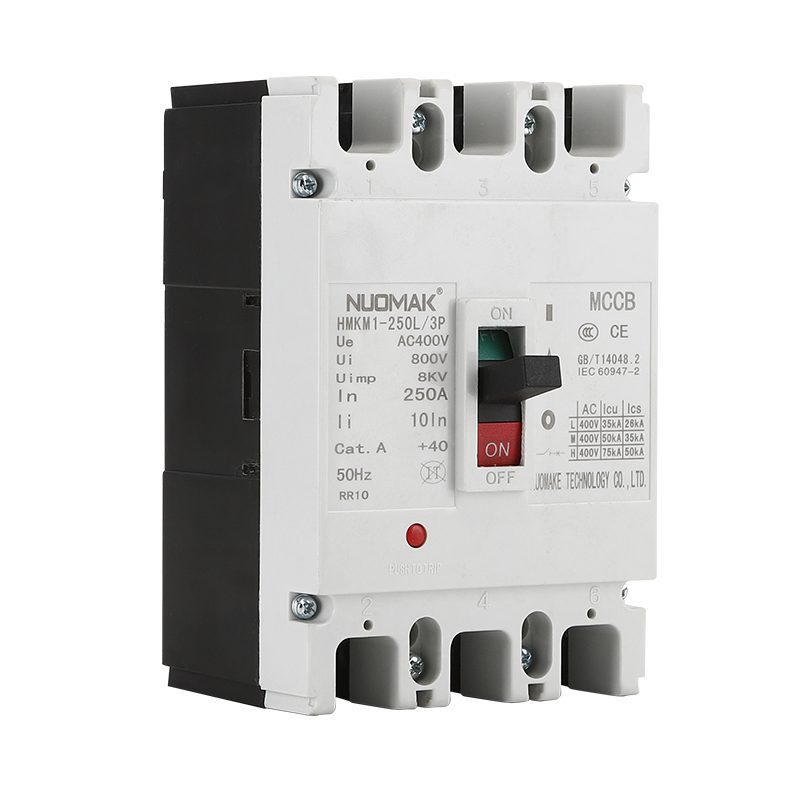
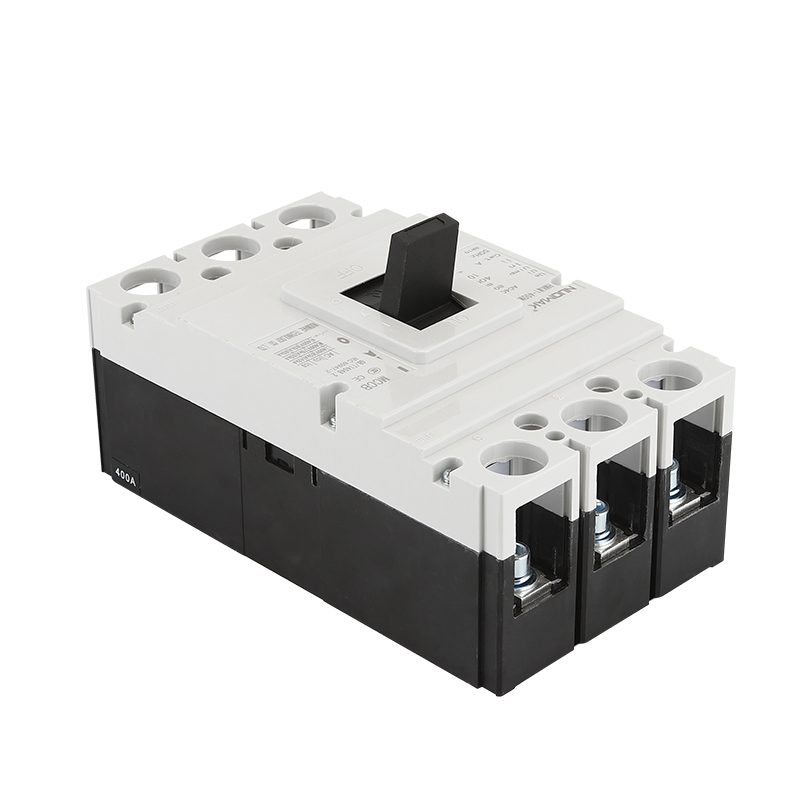
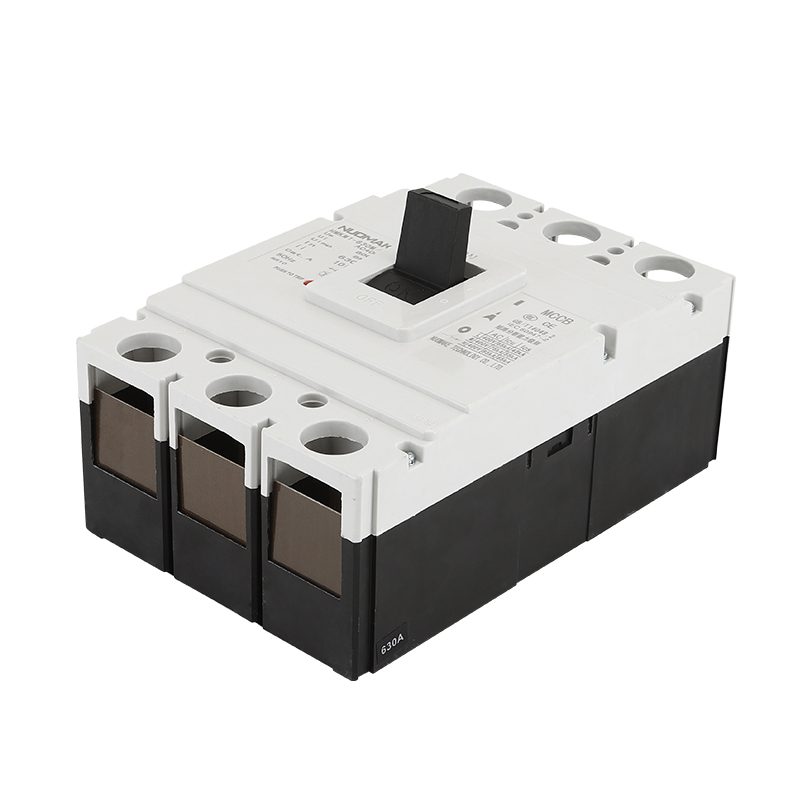
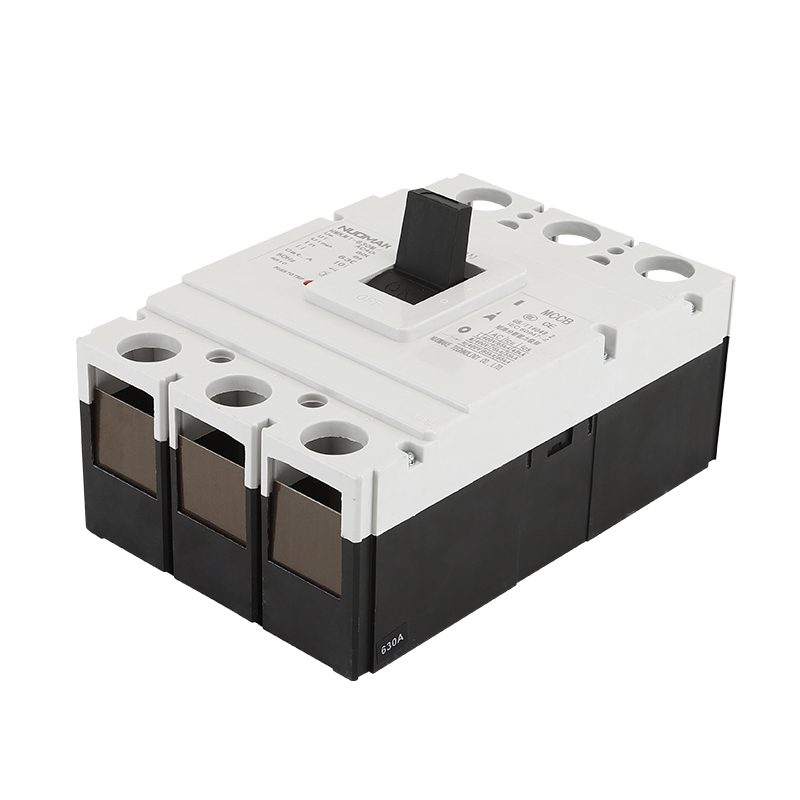
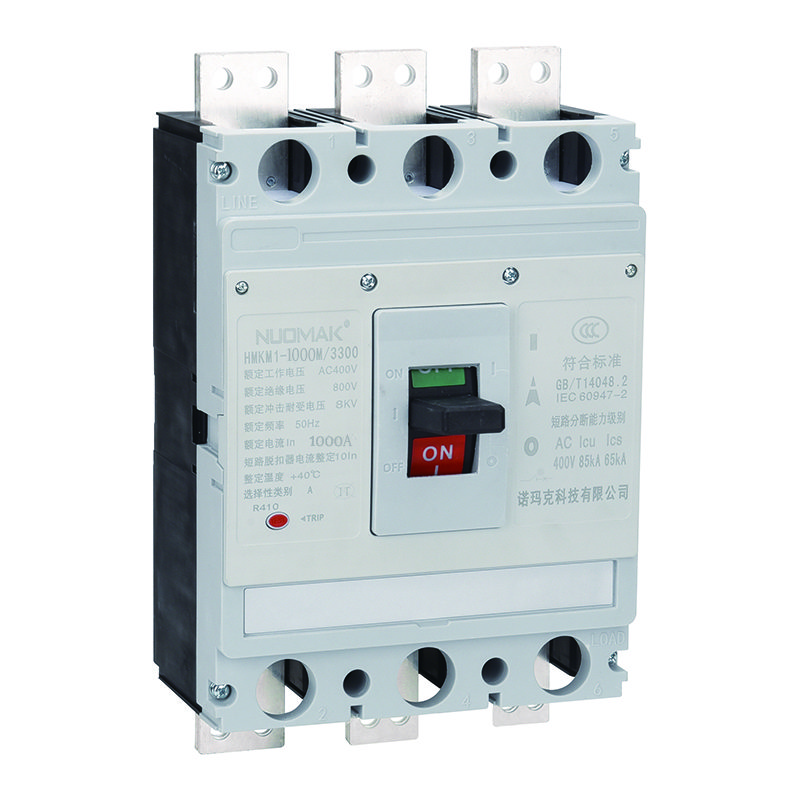
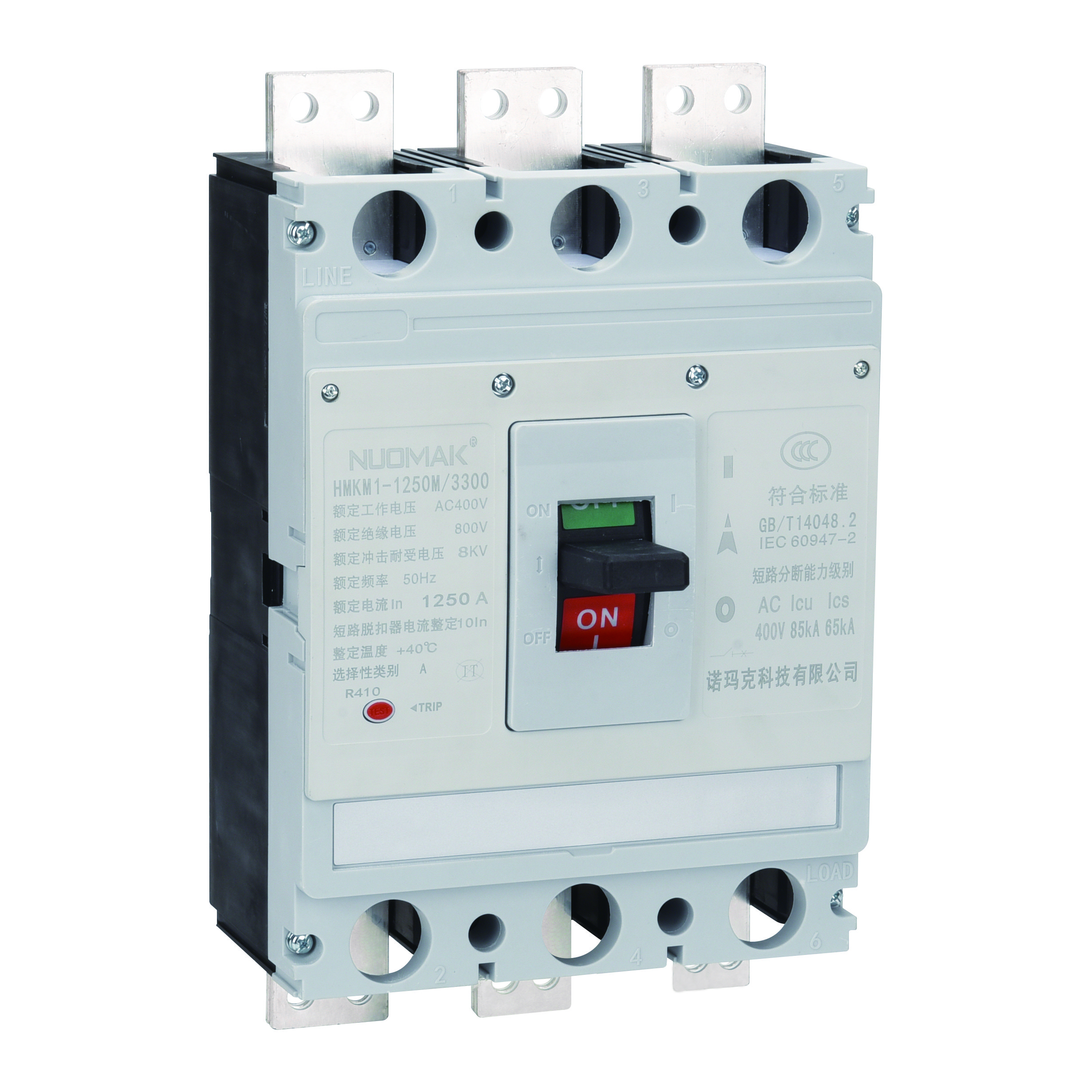
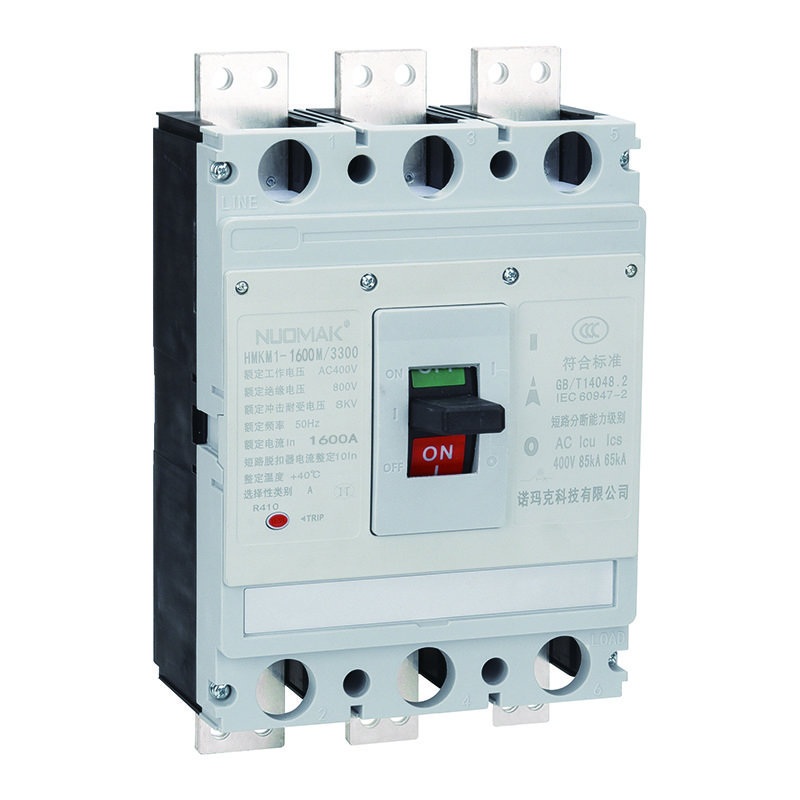
AC Molded Case Circuit Breakers (MCCBs) with current ratings ranging from 32Ato 1600A, available in 3-pole and 4-pole configurations with thermal-magnetic trip units

| ltem | Our Offer |
| MOQ | 1000 pcs |
| Sample | Free sample can be provided for bulk order |
| Leading Times | Sample 1-3 days;Bulk Order:30-60working days.depending on the qtys |
| Main Product | Safe and reliable molded case circuit breaker with intelligent design and built-in multiple function options |
| Customize Logo | Accept |
| Warranty | 1 year |
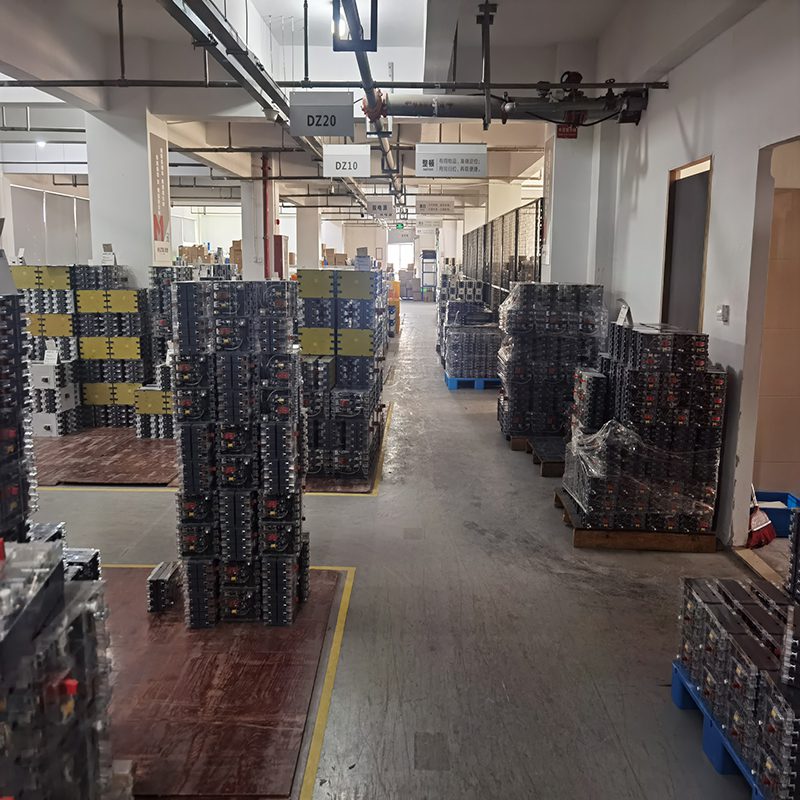
Warehouse-1
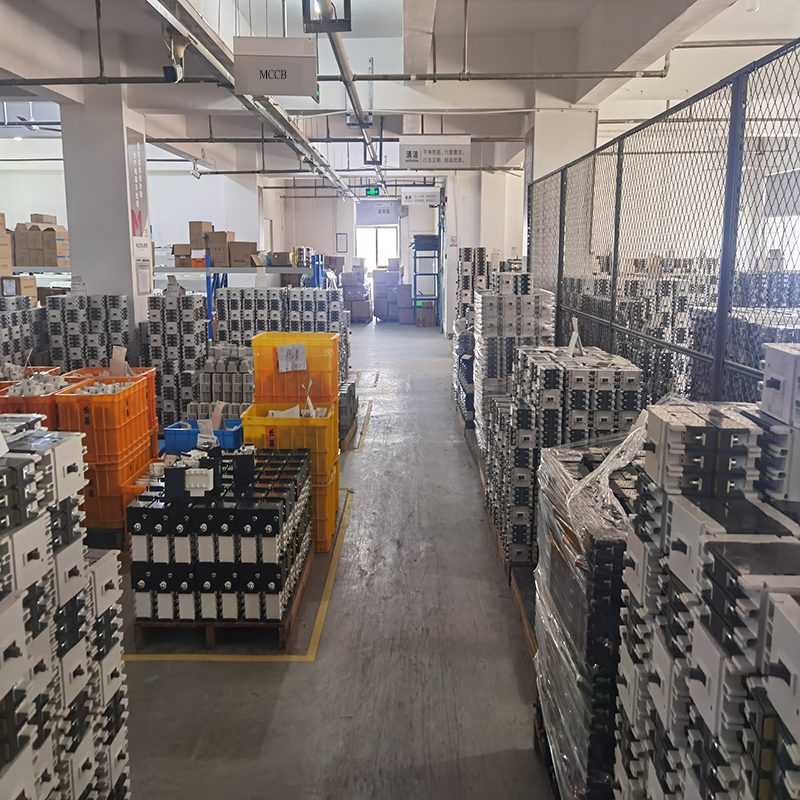
Warehouse-2
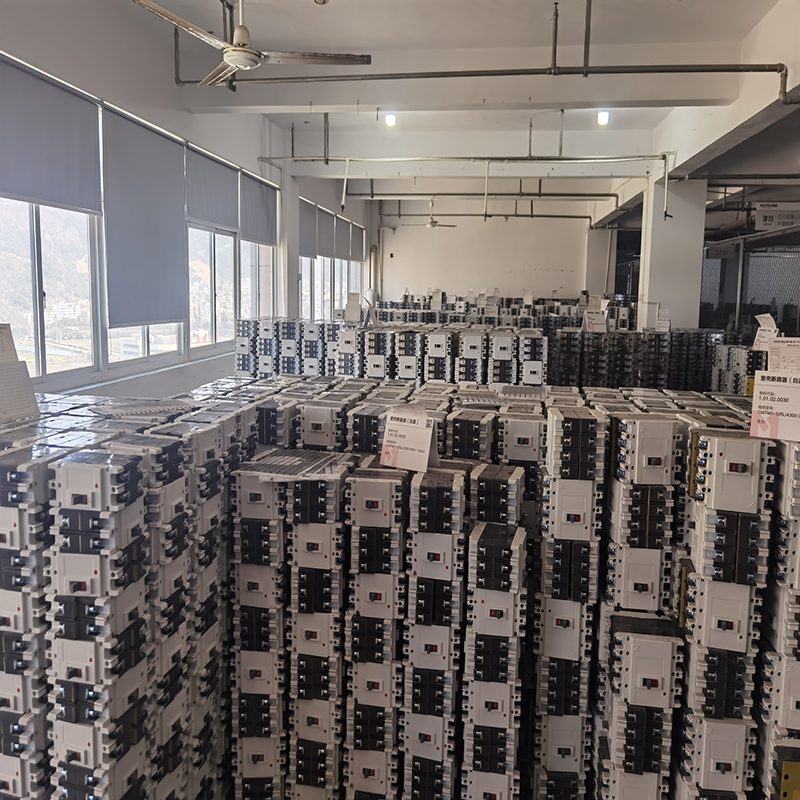
Warehouse-3
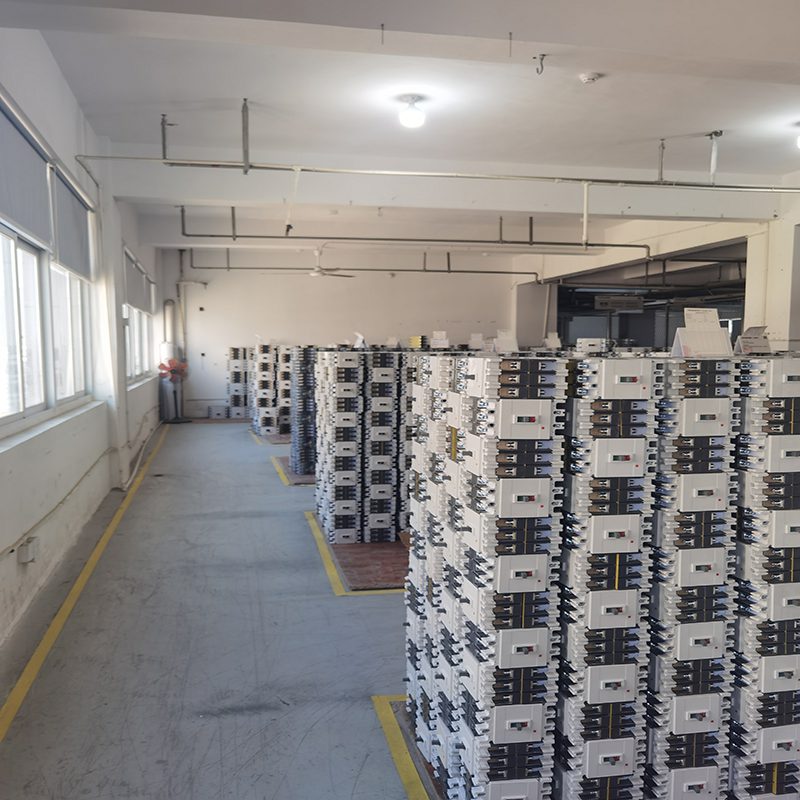
Warehouse-4
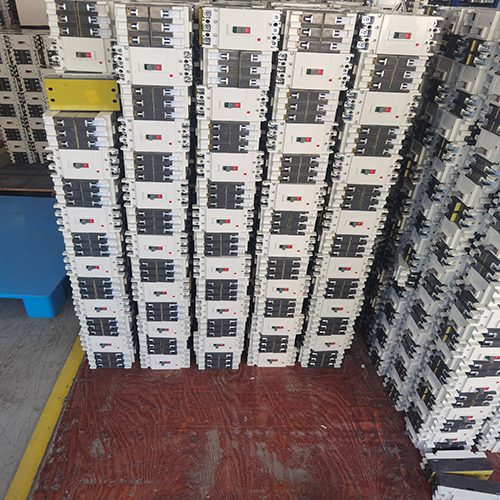
Warehouse-5
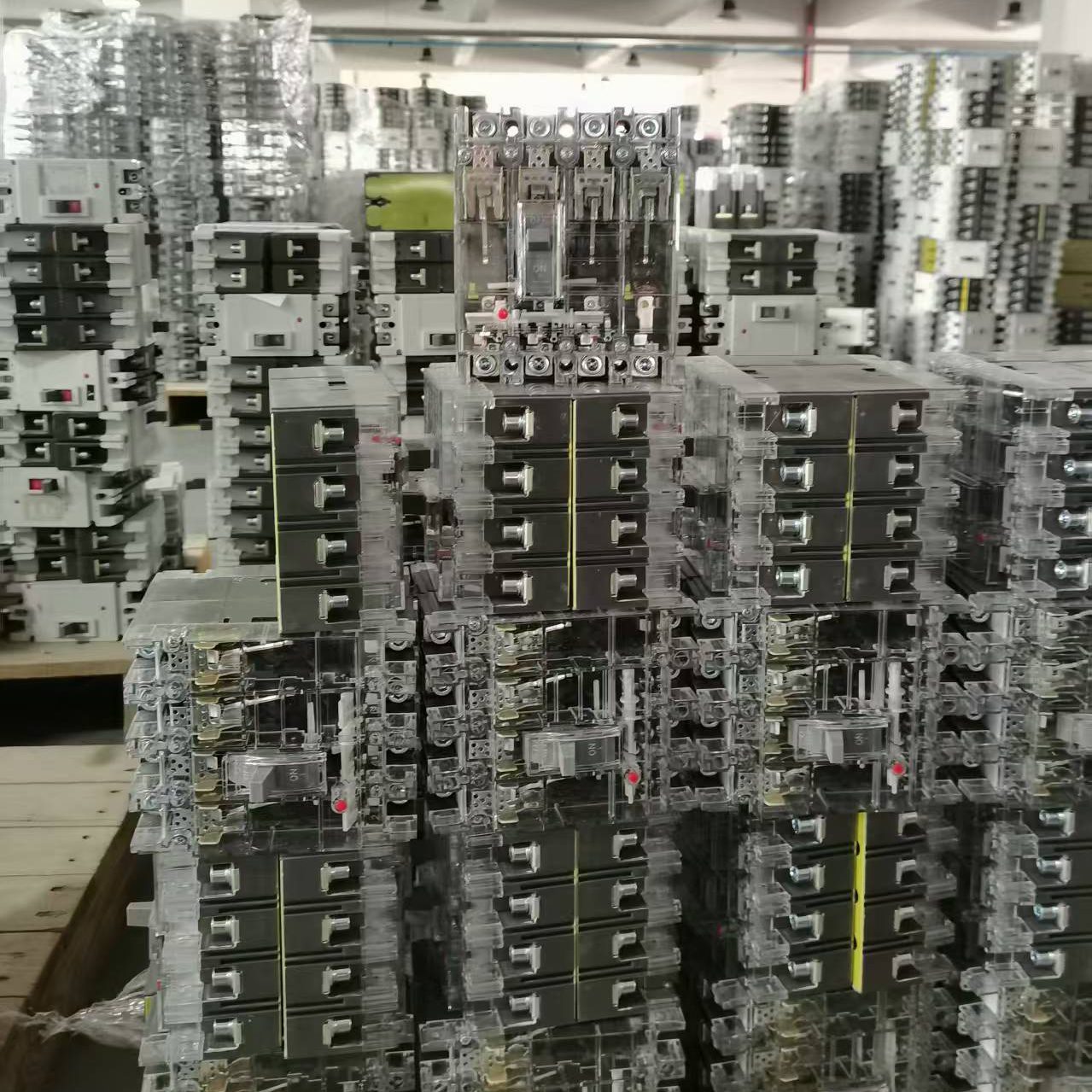
Warehouse-6
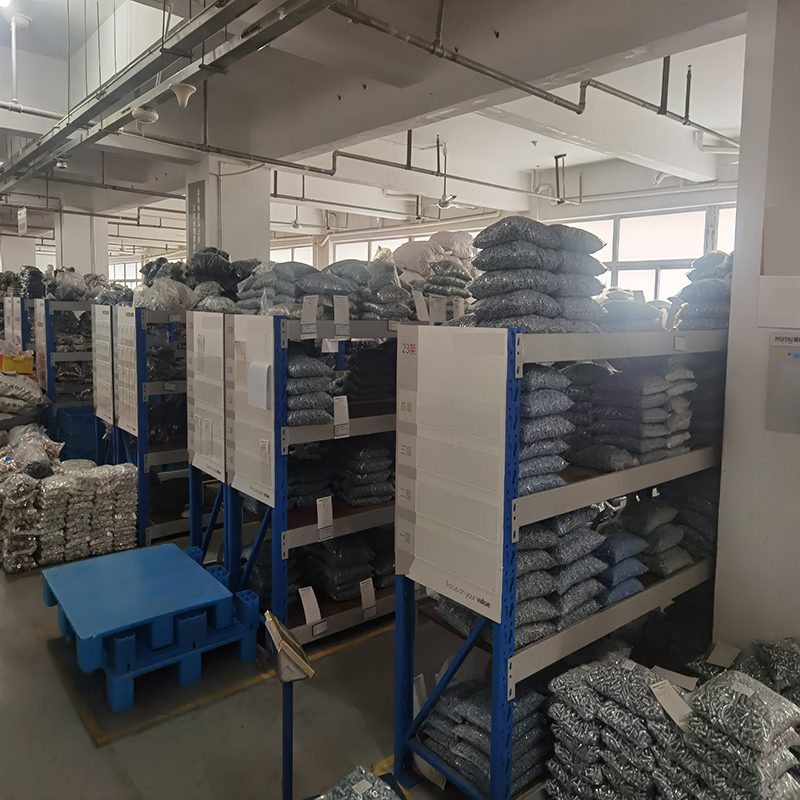
Parts Warehouse MCCB-1
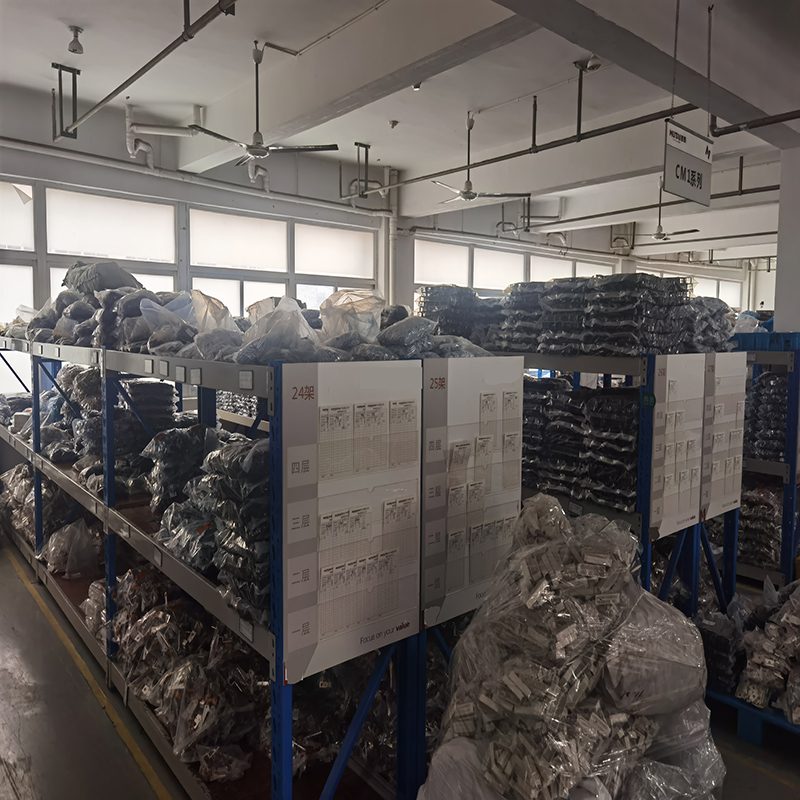
Parts Warehouse MCCB-2
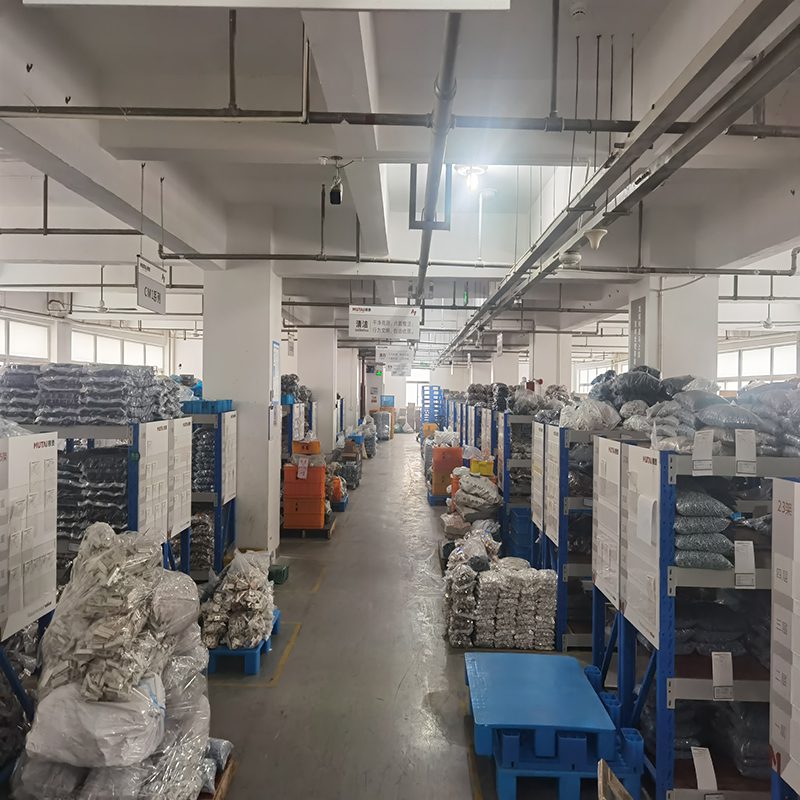
Parts Warehouse MCCB-3
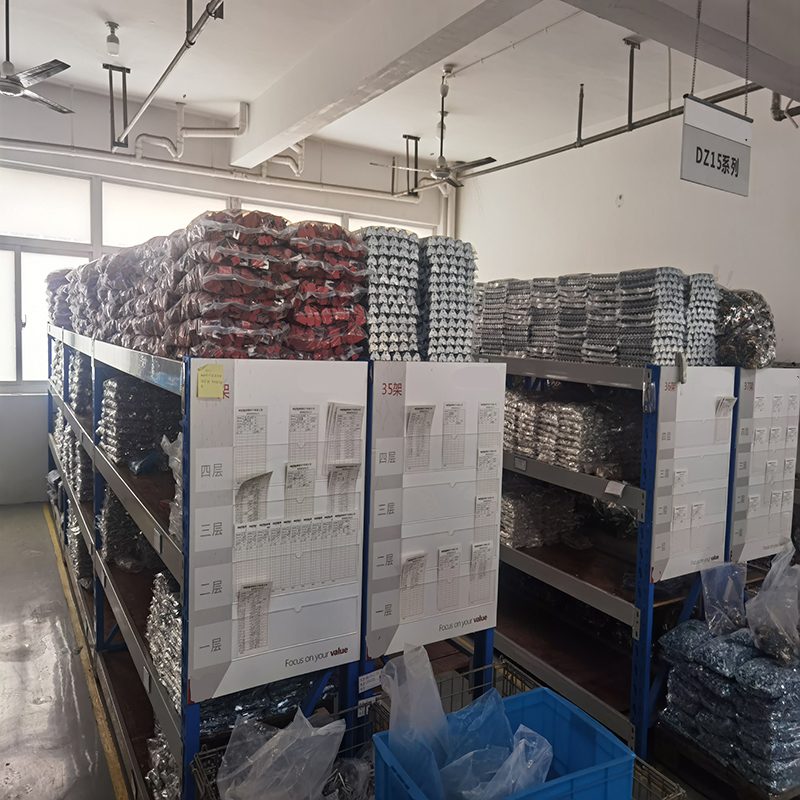
Parts Warehouse MCCB-4
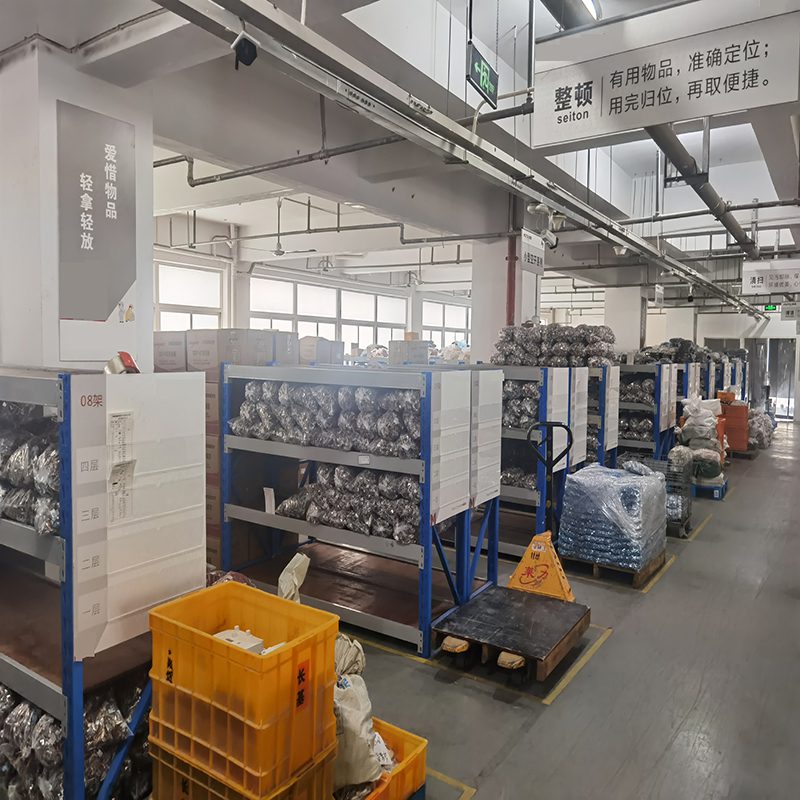
Parts Warehouse MCCB-5
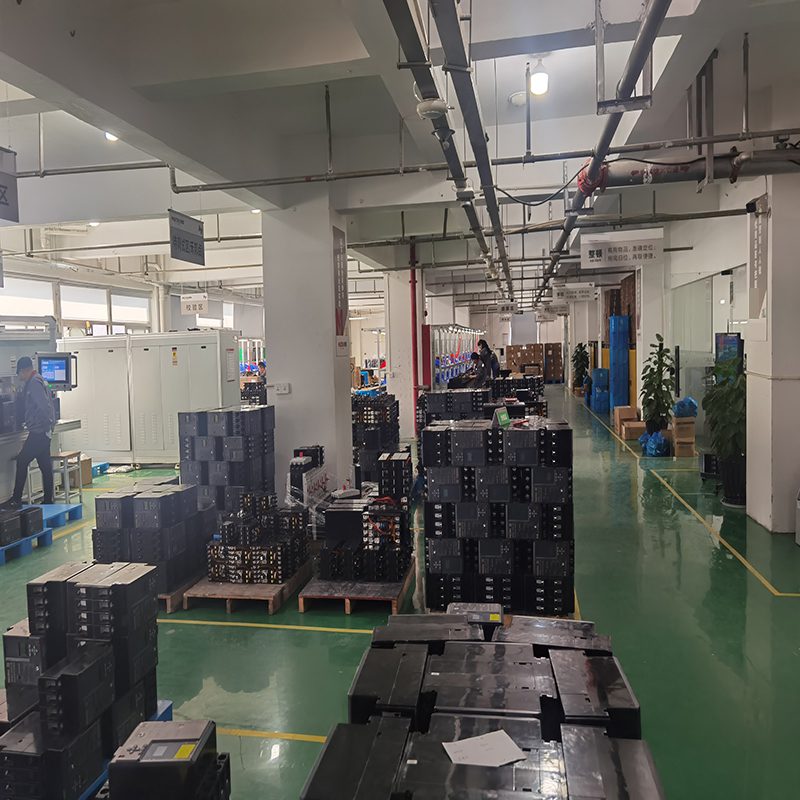
Production workshop MCCB-1
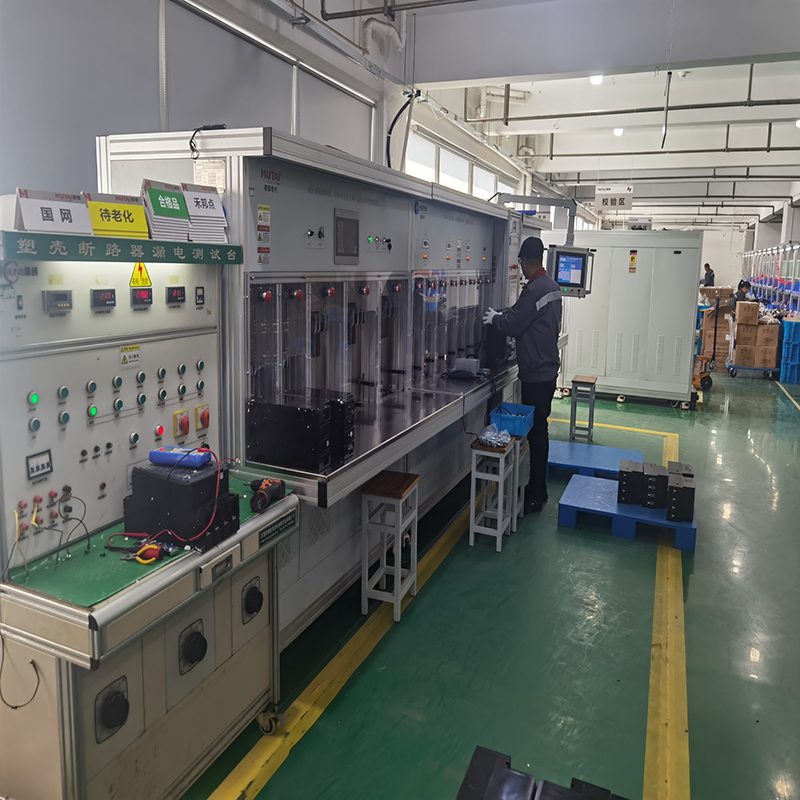
Production workshop MCCB-2
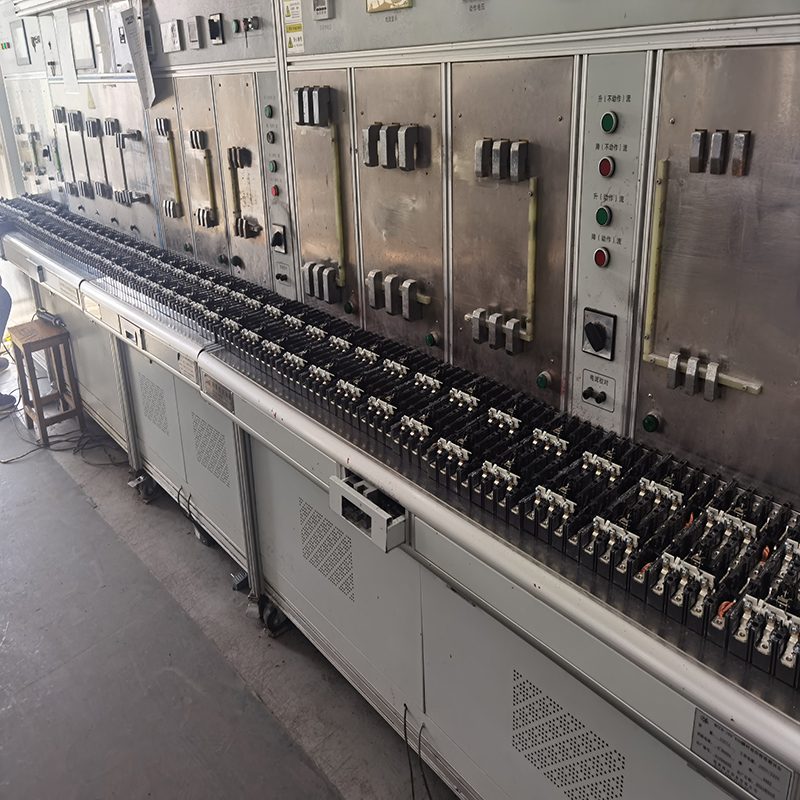
Production workshop MCCB-3
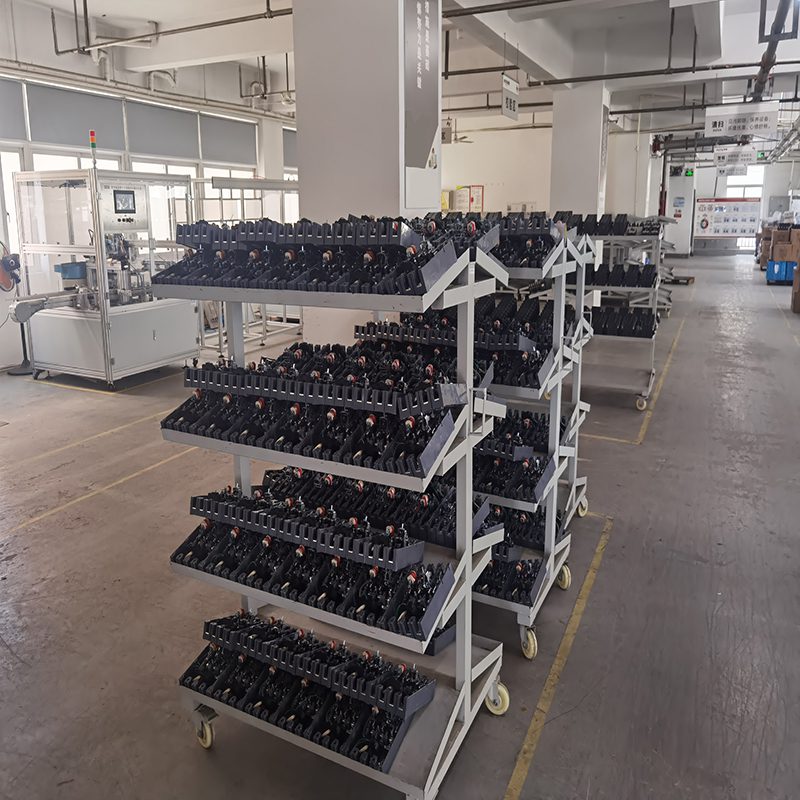
Production workshop MCCB-4
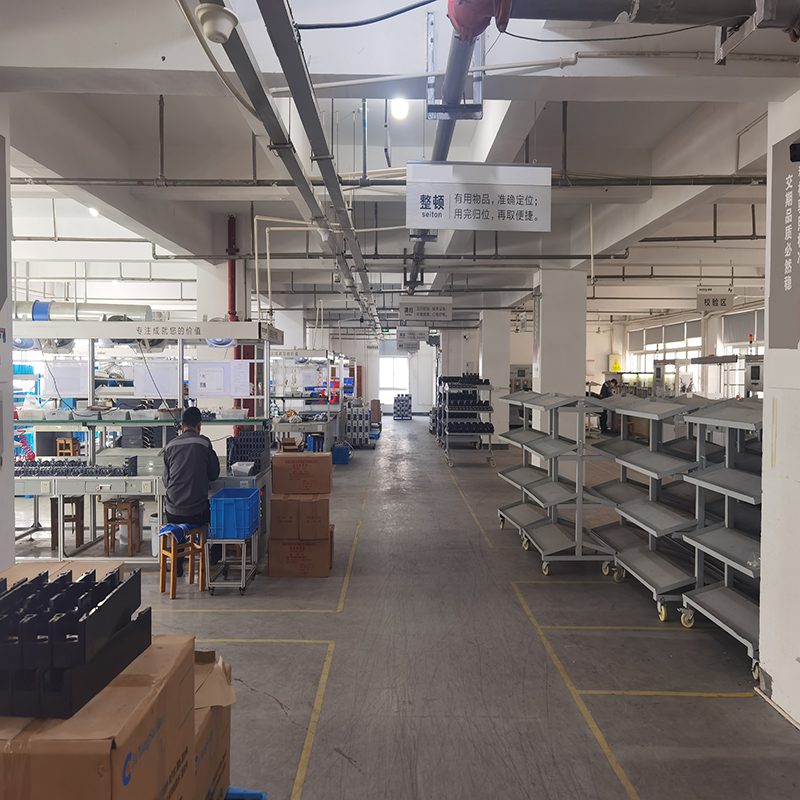
Production workshop MCCB-5
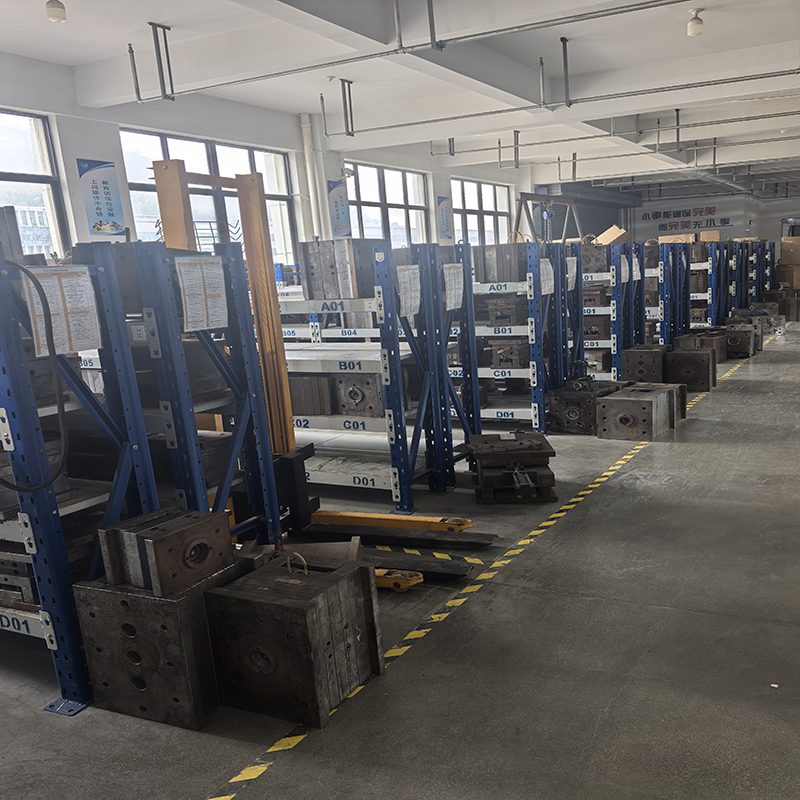
Mould-workshop

Plastic workshop-1
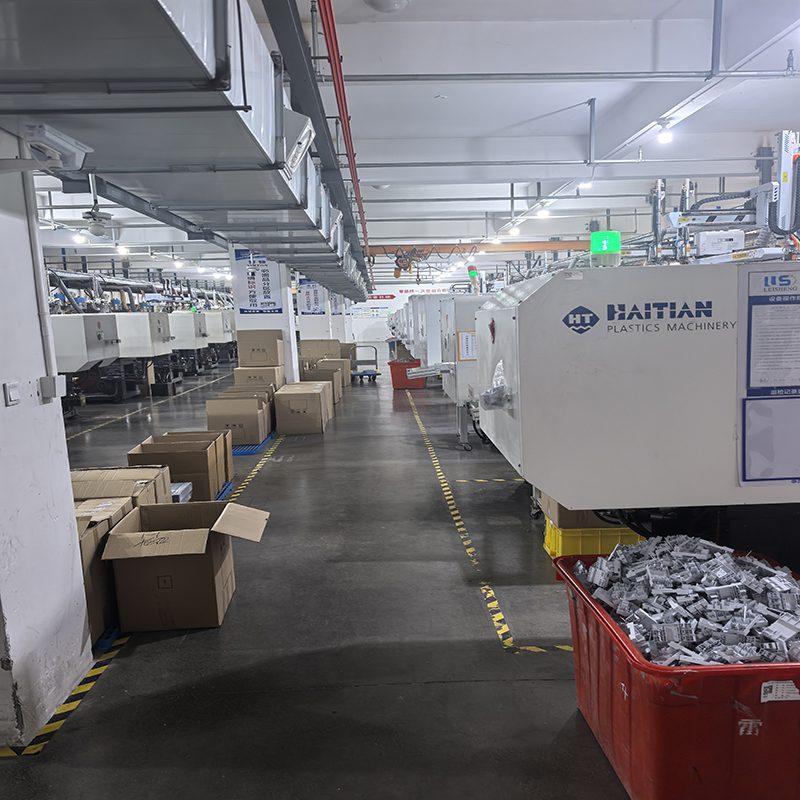
Plastic-workshop-2
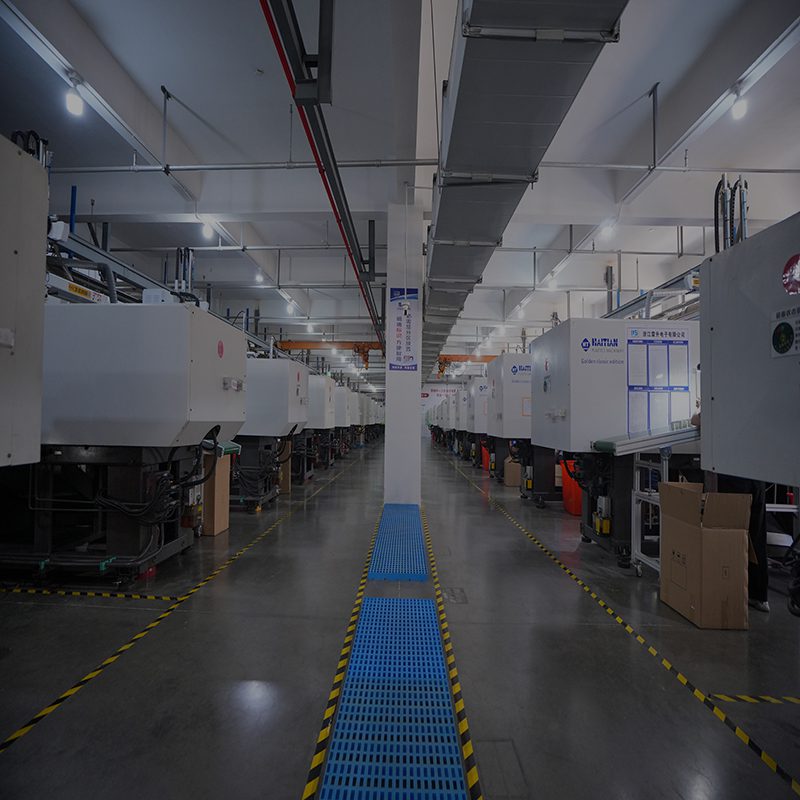
Plastic workshop-3

Plastic workshop-4
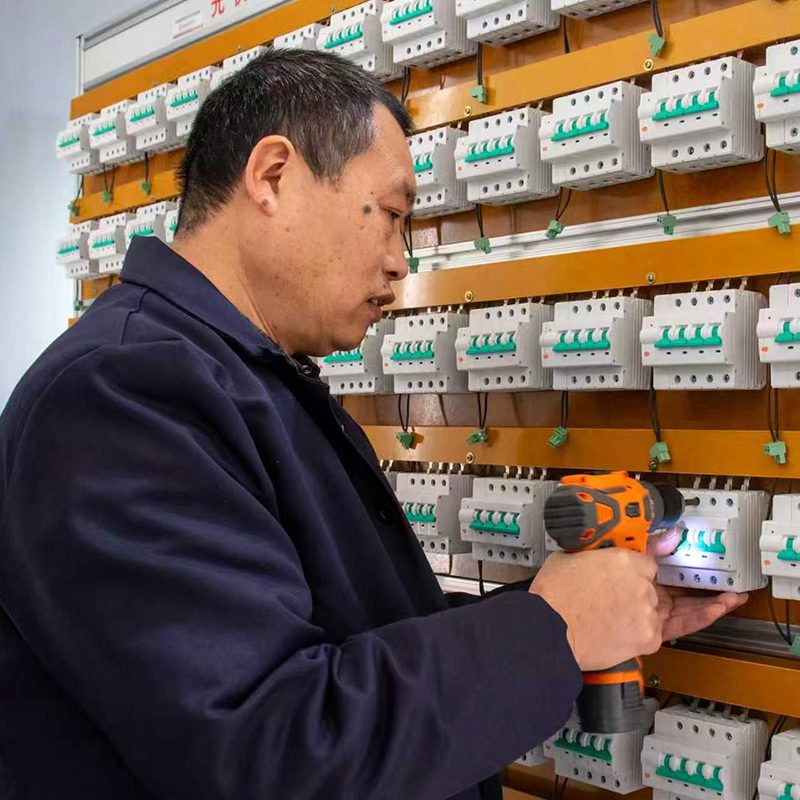
Plastic workshop-5
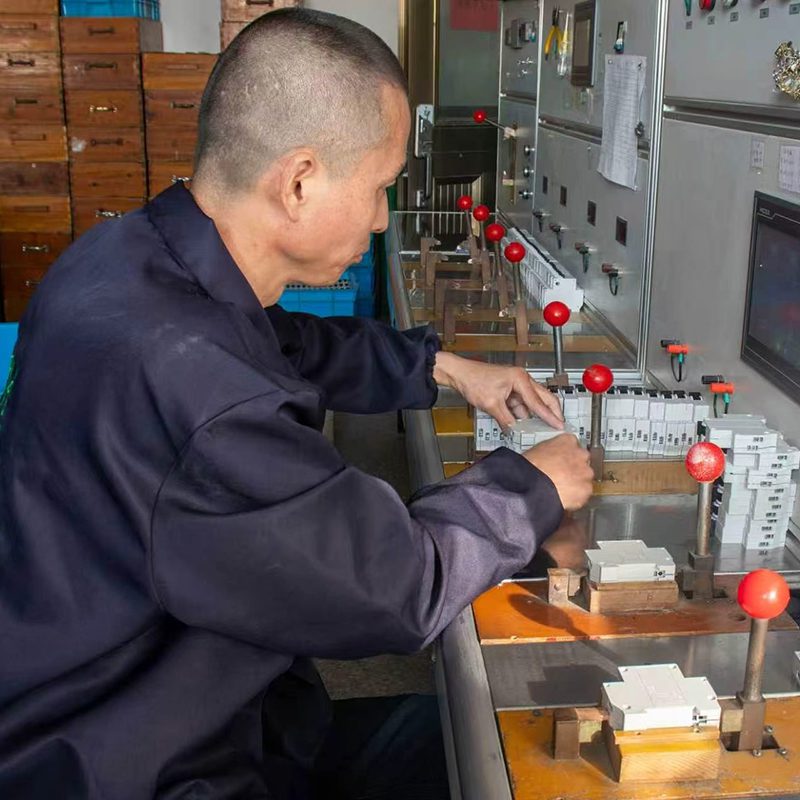
Plastic workshop-6

Plastic workshop-7
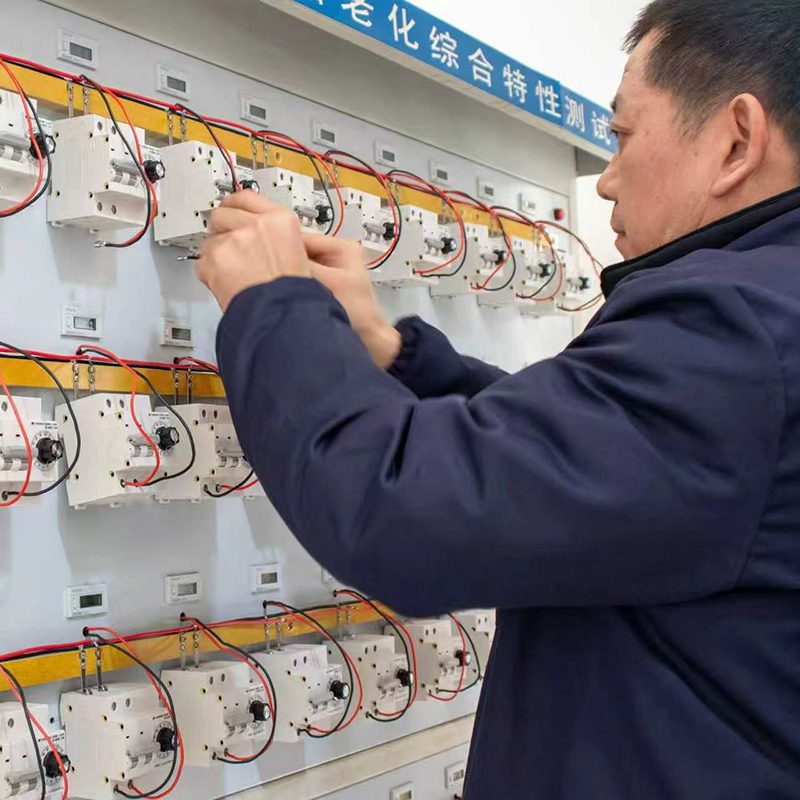
Plastic workshop-8

Plastic workshop-9
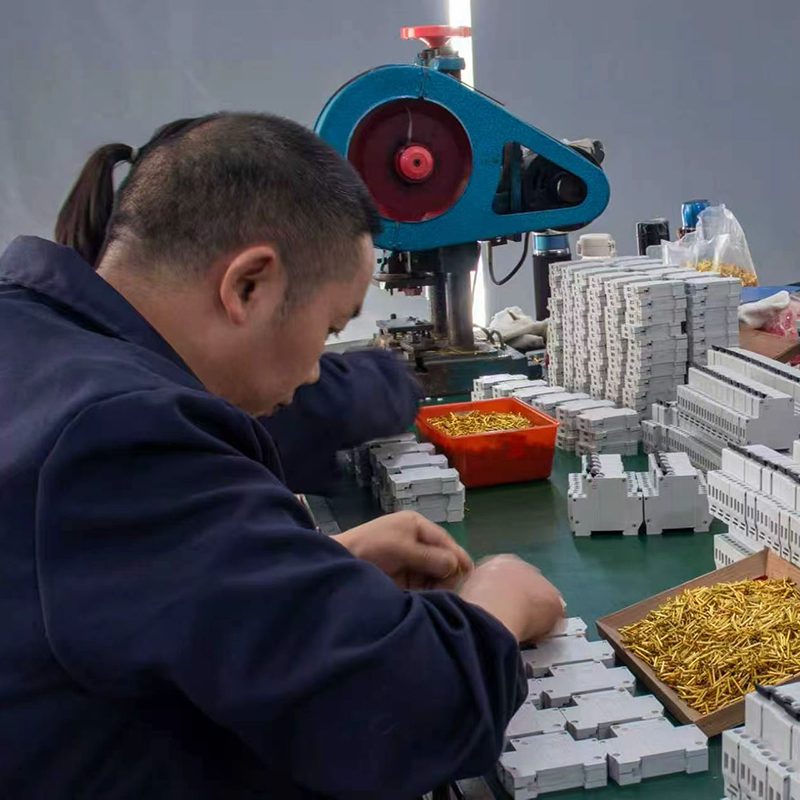
Plastic workshop-10
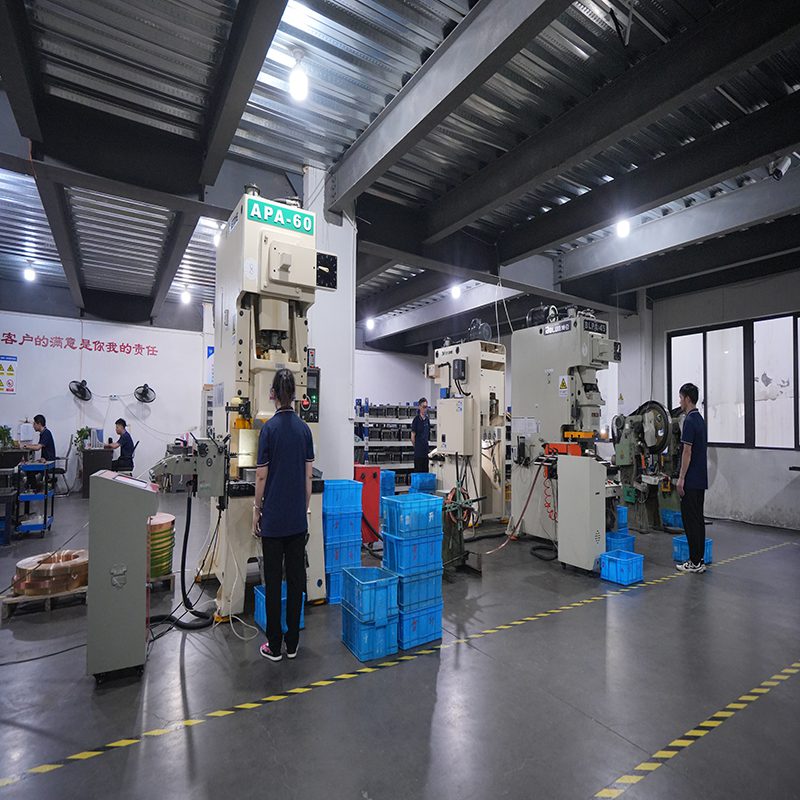
Stamping parts in a corner of the workshop
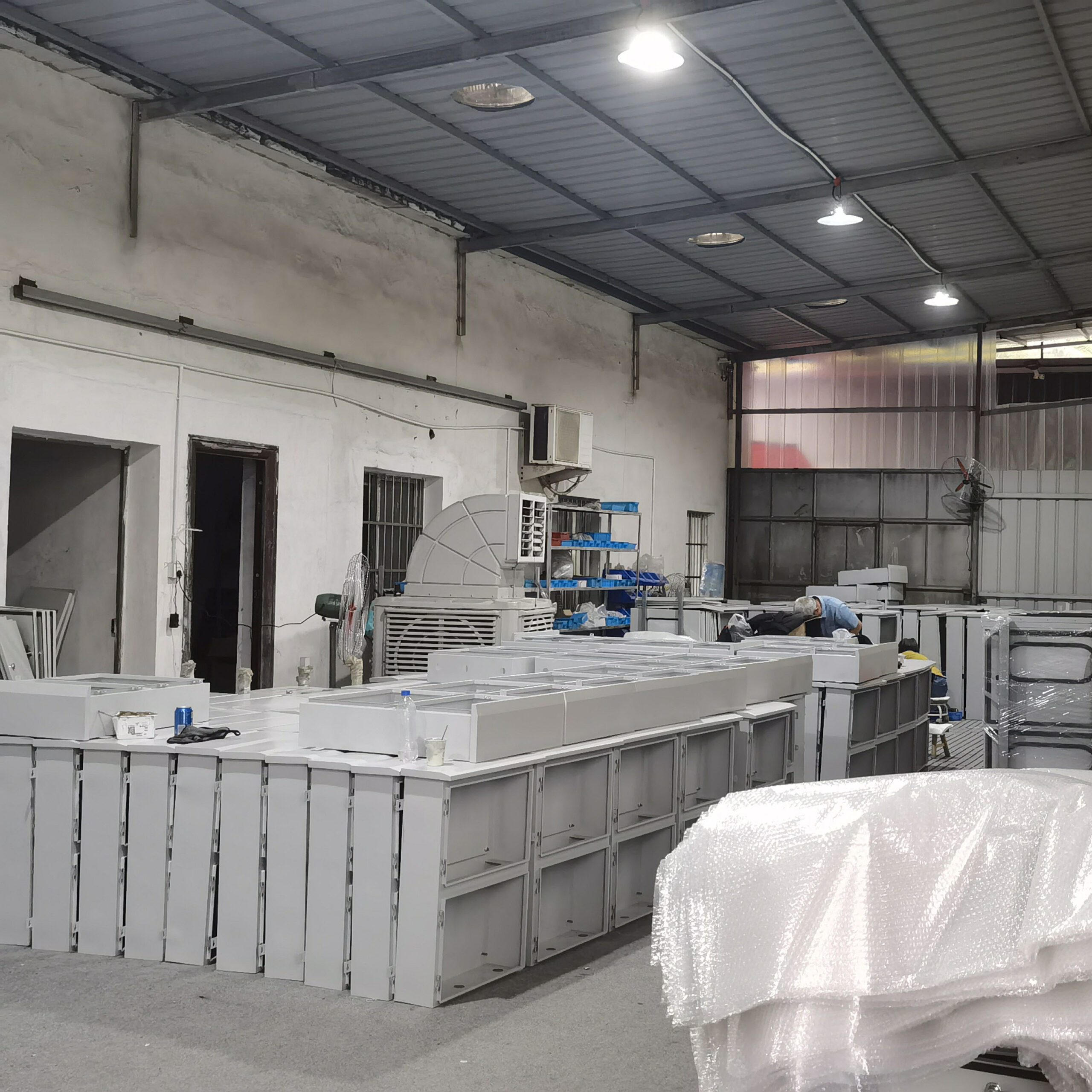
Factory-1
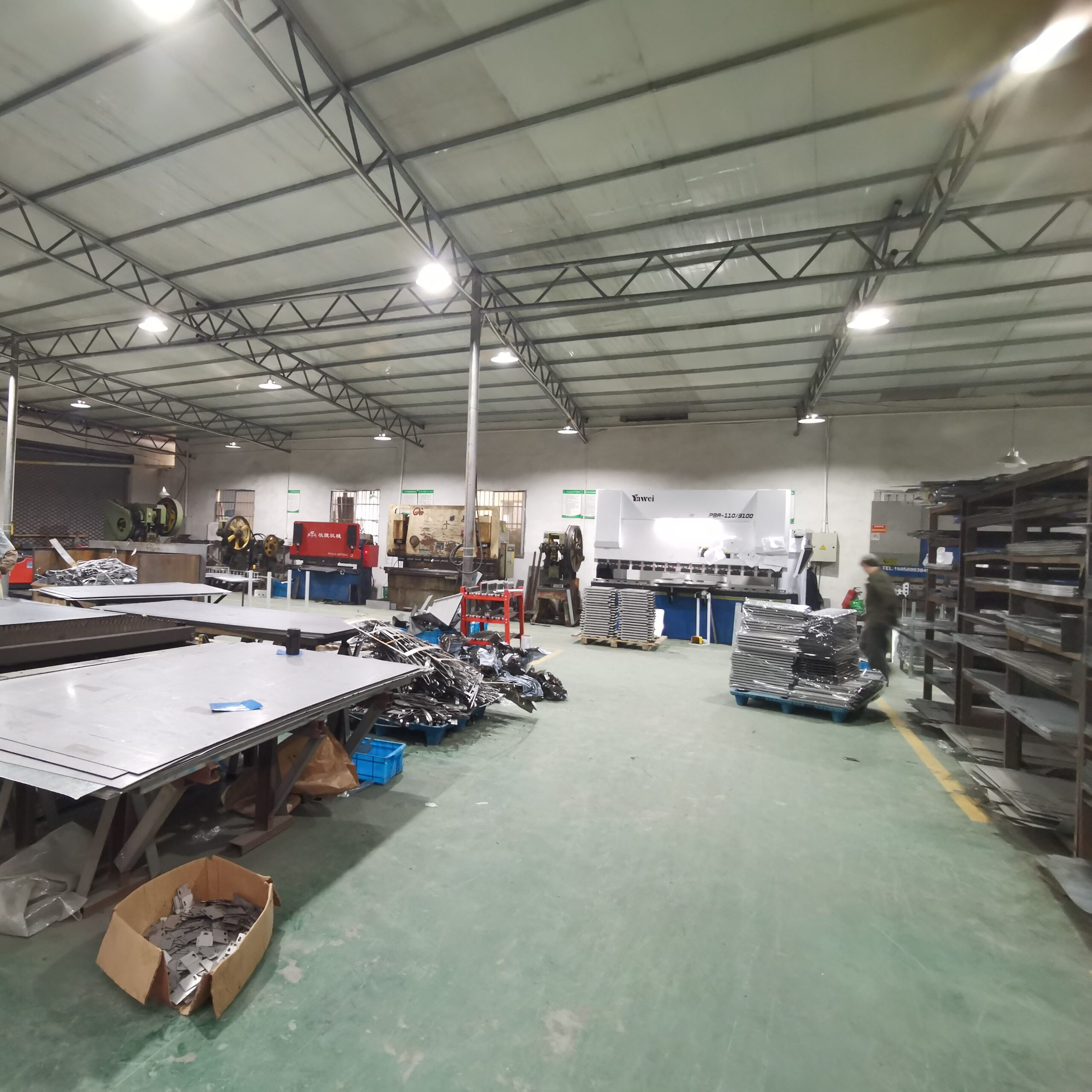
Factory-2
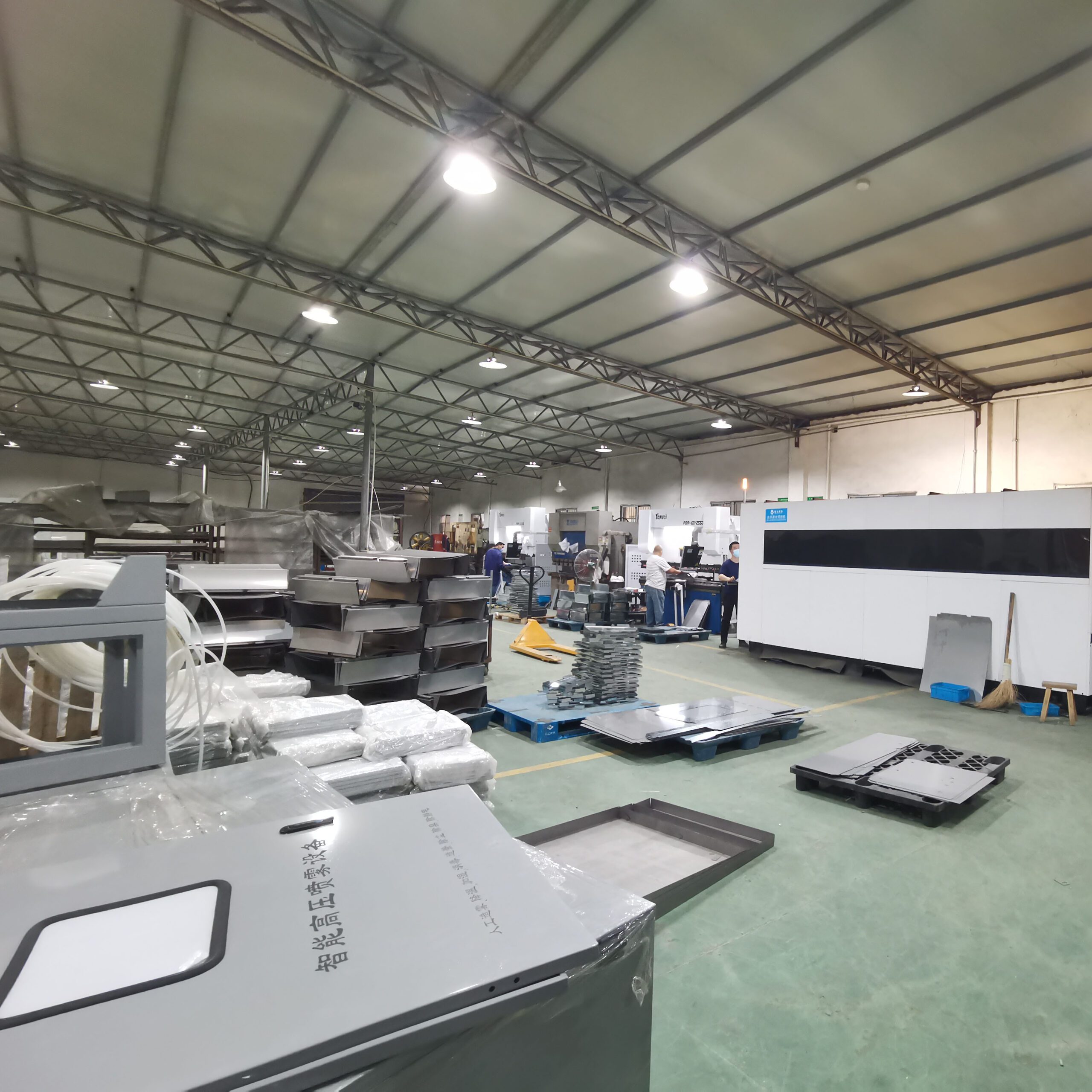
Factory-3
A Molded Case Circuit Breaker (MCCB) is a crucial electrical safety device designed to protect your AC electrical circuits from overload or short circuits. It works by automatically cutting off the power supply when a fault or overcurrent situation arises, preventing catastrophic damage to the electrical system. While Nuomak AC MCCBs are engineered for high reliability, electrical systems can occasionally experience issues due to external factors. Below is a professional troubleshooting guide for the most common MCCB tripping problems to help you maintain a safe and stable power supply.
Possible Causes:
High Inrush Current: If the motor uses a direct-on-line (DOL) startup, the starting current can be 8 to 10 times the normal operating current. If the MCCB’s rated current or instantaneous protection multiplier is set incorrectly, it will trip during startup.
Severe Voltage Drop: If the distribution cabinet is too far from the equipment, the line voltage drop increases. When the terminal voltage falls below the motor’s rated voltage, the startup current will surge, causing a trip.
Mechanical Overload or Jamming: If the motor starts with a heavy load (e.g., water pumps, conveyor belts) or experiences mechanical jamming/abnormal noise, the starting time becomes too long, and the current spikes, leading to a trip.
Troubleshooting Solutions:
Verify if the load uses a direct startup method and measure the actual startup current.
Properly calculate and select the MCCB’s rated current and instantaneous protection tripping multiplier.
Measure the motor’s terminal voltage (P=IUcosΦP=IUcosΦ) to ensure it is within the normal range.
Inspect the mechanical components of the motor and load to ensure smooth operation without jamming.
Possible Causes:
Three-Phase Unbalance: An unbalanced three-phase load can cause localized overcurrent, leading to tripping.
Undersized Cables/Busbars: Using connecting cables or copper busbars with an insufficient cross-sectional area will generate excessive heat, causing the MCCB’s thermal protection to trip.
Loose Connections: If the terminal connection screws are not tightened or have poor contact, the contact resistance will increase significantly. This generates massive heat (sometimes even melting components), triggering the breaker.
Poor Plug-in Contact: For plug-in or draw-out type MCCBs, loose contacts during installation will cause severe overheating and subsequent tripping.
Troubleshooting Solutions:
Check the three-phase current to ensure it is balanced.
Verify the cross-sectional area and length of the connecting cables or copper busbars. Replace them with correctly sized ones according to electrical standards.
Ensure the MCCB is securely connected to the cables/busbars and thoroughly tighten all connecting screws.
For plug-in models, inspect the contact condition and ensure a firm, reliable connection.

Cascading tripping means a short circuit causes not only the downstream breaker to trip, but also the upstream (higher-level) breaker, causing a wider power outage.
Possible Causes:
Mismatched Protection Characteristics: This generally occurs because the tripping curves of the series-connected circuit breakers are not properly coordinated. Factors to consider include cable length, cross-sectional area, and the short-circuit clearing time.
Troubleshooting Solutions:
Inspect the condition of the breakers on-site. If there is no failure to trip (refusal to operate) on the downstream breaker, the product is functioning normally.
Test the tripping characteristics of the breakers to determine if they meet the required specifications.
Properly select and coordinate the upstream and downstream MCCBs to ensure selective protection (e.g., matching a low-voltage MCCB with an appropriate upstream MCCB).
Explore Nuomak’s full range of reliable circuit protection solutions above, or click “Contact Us Now“ to get a quick quote from our experts!

WEBSITE&YUEQING NUOMAKE TECHNOLOGY CO.,LTD.
Privacy Policy | SiteMap
Copyright NUOMAK
 Optimized by Seraphinite Accelerator