- Whatsapp: +8615825688470
- Email: [email protected]


Frequent breaker trips, flickering lights, or warm electrical outlets are often early warning signs of circuit overload. While these issues may seem minor at first, ignoring them can lead to serious safety risks, including electrical fires and equipment damage.
In this guide, we explain what circuit overload is, why it happens, how to fix it, and how to prevent it using proper electrical protection devices. Understanding these basics helps homeowners, facility managers, and procurement professionals build safer and more reliable electrical systems.
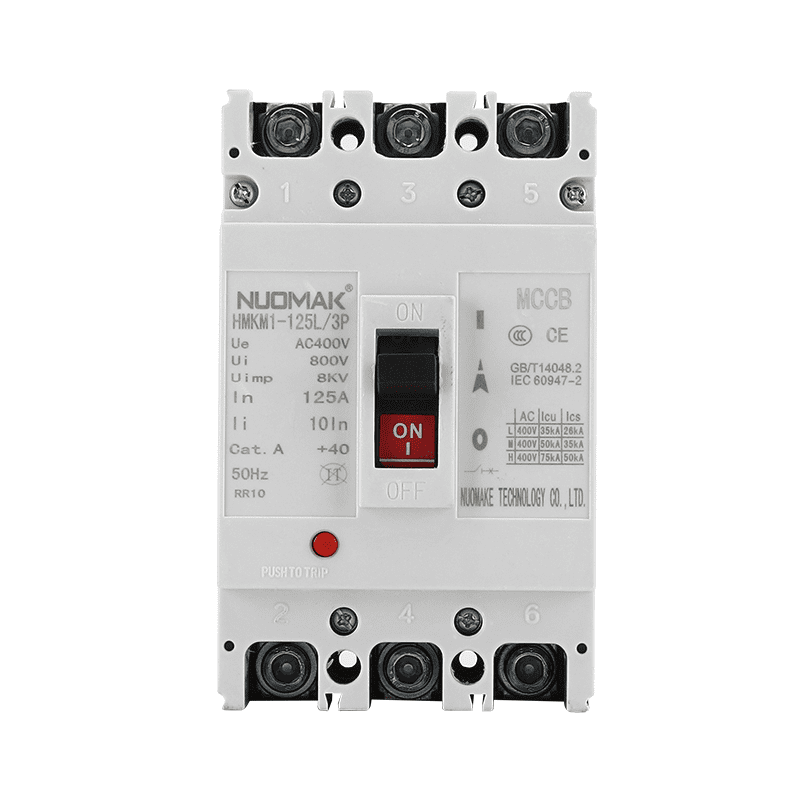
A circuit overload occurs when the electrical current flowing through a circuit exceeds its designed capacity. Just like forcing too much water through a narrow pipe, excessive electrical load causes wires and components to overheat, increasing the risk of failure or fire.
Occurs when current exceeds safe limits
Leads to overheating of wiring and devices
Triggers circuit breakers or blows fuses
Often results from increased load or outdated system design
Requires prompt action to avoid safety hazards
Many overload problems show clear warning signs before serious damage occurs. Common indicators include:
Circuit breakers tripping frequently
Flickering or dimming lights when appliances start
Warm, discolored, or buzzing outlets and switches
Burning smells near outlets or electrical panels
Unexpected power interruptions
Recognizing these signs early can prevent costly repairs and dangerous incidents.
Circuit overloads are usually caused by everyday electrical usage patterns or system limitations, such as:
Connecting too many high-power devices to a single circuit
Overusing extension cords or power strips
Adding new appliances without upgrading wiring
Aging or undersized electrical wiring
Poor electrical system planning with limited load capacity
Yes—circuit overload is a serious safety risk if left unaddressed. Potential consequences include:
Electrical fires caused by overheated conductors
Permanent damage to appliances and sensitive electronics
Frequent downtime in commercial or industrial facilities
Reduced system efficiency and increased energy waste
Risk of personal injury or property loss
This is why modern electrical codes require effective overload protection devices.
Resolving a circuit overload depends on the severity of the issue. Common corrective actions include:
Unplugging unnecessary devices from the affected circuit
Redistributing loads across multiple circuits
Replacing worn or damaged wiring and outlets
Upgrading circuit breakers to match load requirements
Hiring a licensed electrician for system evaluation
Temporary fixes should never replace proper electrical upgrades.
You should contact a certified electrician immediately if:
Breakers trip repeatedly after resetting
You smell burning insulation or see scorch marks
The distribution panel feels warm to the touch
The building uses wiring older than 20 years
Overloads occur even under normal operating conditions
These situations indicate deeper electrical issues that require professional intervention.
Preventive measures are the most effective way to avoid overload-related failures:
Plan electrical loads with future expansion in mind
Install dedicated circuits for heavy equipment
Avoid daisy-chaining extension cords
Perform regular electrical inspections and maintenance
Use certified electrical protection devices
MCBs automatically disconnect power when current exceeds safe limits. They are widely used in residential and light commercial applications due to fast response and easy reset.
RCCBs focus on detecting leakage currents that may cause electric shock, providing additional protection beyond overload prevention.
Distribution Boxes house and organize breakers, wiring, and protection devices. They simplify maintenance, improve safety, and support future system upgrades.
For systems with higher current demand, Moulded Case Circuit Breakers (MCCBs) offer robust overload and short-circuit protection. They are commonly used in commercial and industrial environments where standard MCBs may not be sufficient.
| Device Type | Function | Typical Use Case | Key Benefit | Maintenance Tip |
|---|---|---|---|---|
| Miniature Circuit Breaker (MCB) | Overload & short-circuit protection | Homes, small offices | Fast response, easy reset | Test monthly |
| Residual Current Breaker (RCCB) | Leakage current protection | Wet or residential areas | Shock prevention | Test regularly |
| Distribution Box | Houses breakers and wiring | All systems | Organization & safety | Inspect for corrosion |
| Moulded Case Circuit Breaker (MCCB) | High-capacity overload protection | Industrial, commercial | Handles large loads | Professional inspection |
The cost of fixing a circuit overload ranges from simple breaker replacement to full rewiring, depending on system condition and load requirements. Addressing overloads early is always more cost-effective than repairing fire or equipment damage later.
If overloads occur frequently, breakers trip under normal use, or your electrical system is outdated, an upgrade may be necessary. Modern systems equipped with Moulded Case Circuit Breakers and well-designed DB Boxes offer higher safety, efficiency, and scalability.
For reliable long-term protection, combining Moulded Case Circuit Breakers, quality Distribution Boxes, and optional smart monitoring systems provides a balanced solution. NUOMAK offers durable, tested electrical protection products designed for both residential and commercial applications.
Circuit overload is a common but potentially dangerous electrical issue. By understanding its causes, recognizing early warning signs, and using appropriate protection devices such as Moulded Case Circuit Breakers, you can significantly reduce safety risks and system downtime.
Investing in a properly designed electrical protection system—supported by reliable manufacturers like NUOMAK—ensures safer operation, better performance, and long-term peace of mind.
What is circuit overload?
Circuit overload occurs when electrical current exceeds a circuit’s rated capacity, causing overheating and protective device activation.
What is a Moulded Case Circuit Breaker (MCCB) used for?
MCCBs protect high-load circuits in commercial and industrial environments from overloads and short circuits.
Can circuit overload cause a fire?
Yes. Prolonged overloads can overheat wiring and lead to electrical fires.
How often should circuit breakers be tested?
MCBs and RCCBs should be tested monthly to ensure proper operation.
Are smart circuit breakers worth installing?
Smart breakers provide early warnings and load monitoring, helping prevent overloads before damage occurs.

WEBSITE&YUEQING NUOMAKE TECHNOLOGY CO.,LTD.
Privacy Policy | SiteMap
Copyright NUOMAK
 Optimized by Seraphinite Accelerator