- Whatsapp: +8615825688470
- Email: [email protected]


A distribution box is a key component of any electrical system, responsible for distributing power to various circuits safely and efficiently. Understanding its purpose and function is crucial for both professionals and DIY enthusiasts. In this guide, we’ll explore what a distribution box is, its role in electrical installations, and how to choose the right one for your needs.
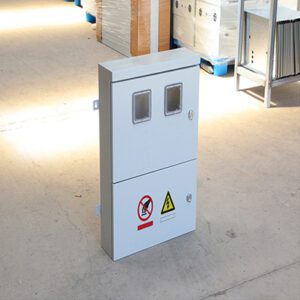
A distribution box (also known as a circuit breaker panel or electrical distribution board) is a centralized unit that receives electrical power from a main source and divides it into multiple circuits. It helps manage and distribute electricity to various parts of a building or system safely.
Key Functions of a Distribution Box:
Protects circuits through circuit breakers
Helps in efficient power distribution
Provides easy access for circuit management
The distribution box plays an integral role in maintaining the safety and efficiency of an electrical system. Without it, managing multiple circuits and protecting sensitive equipment would be nearly impossible. Here’s why it’s essential:
Safety: It prevents overloading and short circuits.
Accessibility: Simplifies access for repairs and upgrades.
Efficiency: Allows even distribution of power to different areas.
Distribution boxes come in several different configurations, depending on the scale and complexity of the electrical system. Here are the main types:
| Type | Description |
|---|---|
| Single-phase boxes | Used in smaller, residential installations. |
| Three-phase boxes | Used for industrial or commercial installations. |
| Surface-mounted | Installed on the surface of walls, easy to access. |
| Flush-mounted | Installed flush with the wall, more discreet. |
Each type serves different needs based on the size and requirements of the building or system.
Choosing the right distribution box depends on several factors, including the size of your electrical system, the number of circuits, and whether it’s for residential or commercial use. Here’s what to consider:
Capacity: Ensure the distribution box has enough space for future expansion.
Safety Features: Look for boxes with built-in surge protection, grounding, and fire-resistant materials.
Size and Mounting Type: Choose between surface-mounted or flush-mounted boxes based on available space and aesthetic preferences.
Though distribution boxes are built to be durable, they can encounter several issues over time. Common problems include:
Tripped Circuit Breakers: This often indicates an overload or short circuit. Reset the breaker and investigate the cause.
Loose Connections: Over time, wiring inside the distribution box may loosen. Regular checks and tightening of connections are necessary.
Corrosion: Especially in areas with high humidity, corrosion can damage the box. Consider using weather-resistant boxes in these cases.
Understanding what a distribution box is and its function in an electrical system is essential for maintaining a safe and efficient setup. Whether you’re working on a residential, commercial, or industrial installation, choosing the right box can save time, money, and potential hazards. Make sure to select a box that fits your system’s needs and always keep an eye on its condition to avoid any electrical mishaps.
Looking for reliable distribution boxes for your next project? Explore NUOMAK’s range of high-quality electrical solutions to ensure safe and effective power distribution in your systems.
What is the difference between a single-phase and a three-phase distribution box?
A single-phase box is used for residential installations, while a three-phase box is designed for commercial or industrial use, allowing for greater power distribution.
Can I install a distribution box myself?
While it is possible for a skilled DIYer to install a distribution box, it’s always best to consult a professional electrician to ensure safety and compliance with local regulations.
What should I do if a breaker keeps tripping in my distribution box?
A tripping breaker may indicate a short circuit or overload. Check the affected circuit for any faults, and if the problem persists, consult an electrician.
How often should I check my distribution box?
It’s recommended to inspect your distribution box every 6 months for any signs of wear, loose connections, or corrosion.
Can a distribution box be upgraded to support more circuits?
Yes, most distribution boxes can be upgraded by adding additional circuit breakers. However, ensure the box has enough capacity to handle the increased load.

WEBSITE&YUEQING NUOMAKE TECHNOLOGY CO.,LTD.
Privacy Policy | SiteMap
Copyright NUOMAK
 Optimized by Seraphinite Accelerator