- Whatsapp: +8615825688470
- Email: [email protected]


Connecting a distribution box correctly is essential for the safe and effective management of electrical circuits. Whether you’re a professional or a DIY enthusiast, understanding the correct procedure can prevent accidents and ensure optimal performance. This guide provides step-by-step instructions for connecting a distribution box and highlights key factors to consider during installation.
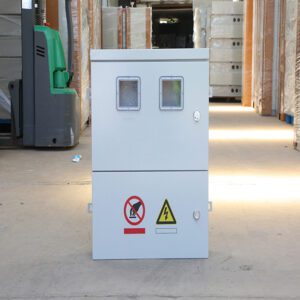
A distribution box, also known as an electrical distribution board, is a critical component in electrical systems. It serves as a central point for distributing electricity to various circuits in a building or facility. This section will explain its function, types, and the importance of correct installation.
Before you begin installing a distribution box, make sure you have the right tools and materials. Below is a quick checklist of everything you will need for a safe and efficient installation:
| Tool/Material | Purpose |
|---|---|
| Screwdrivers | For securing the distribution box to the wall |
| Wire cutters and strippers | To prepare cables for connection |
| Electrical tape | To insulate exposed wires |
| Multimeter | To check for proper connections |
| Terminal blocks | For connecting wires securely |
Connecting a distribution box involves several steps to ensure proper electrical flow. Follow this guide for a clear and safe connection process:
Turn Off the Main Power
Before starting, always ensure the main power is turned off to avoid electrical shock.
Install the Distribution Box
Fix the box securely to the wall, ensuring it’s at an accessible height and the installation site is free of obstructions.
Connect the Incoming Supply
This is the first and crucial connection—attach the incoming live wire (typically marked with brown or red insulation) to the main terminal in the distribution box.
Install Circuit Breakers
Position the circuit breakers in the appropriate slots within the distribution box. Securely connect each circuit wire to its corresponding breaker.
Wire the Outgoing Circuits
After connecting the main power and circuit breakers, wire the outgoing circuits according to the intended electrical load. Make sure each wire is correctly marked for safety.
Test the Connections
After installation, use a multimeter to verify all connections are secure and there are no short circuits.
Even the most experienced individuals can run into issues during installation. Below are common problems and practical solutions to help you troubleshoot:
Incorrect Wiring: Ensure wires are connected to the right terminals.
Loose Connections: Always double-check all wire connections are tightened properly.
Overloading Circuits: Avoid connecting more circuits than the distribution box can handle.
Inadequate Insulation: Make sure all exposed wires are insulated to prevent electrical shorts.
Choosing the right distribution box depends on factors like the size of the installation, the number of circuits, and the load requirements. For example, a residential installation may require a smaller, more compact box, while industrial applications may need larger, more robust boxes. Always opt for a reputable brand like NUOMAK for quality assurance.
Correctly connecting a distribution box is crucial to ensuring your electrical system is both safe and efficient. By following these steps and precautions, you can ensure that your setup will function properly and prevent costly issues down the line. Always remember to choose the right distribution box for your needs and never compromise on quality.
Looking to upgrade your electrical system? Check out the wide range of NUOMAK distribution boxes to find the perfect solution for your needs. Make your electrical installations safer and more reliable today!
What is the difference between a distribution box and a circuit breaker panel?
A distribution box includes both the circuit breakers and the wiring connections, while a circuit breaker panel is just the place where the breakers are housed.
Can I install a distribution box myself?
Yes, but only if you have proper knowledge of electrical systems. Always consider consulting a professional if you’re unsure.
How do I know what size distribution box I need?
Consider the total number of circuits and the overall power load of your home or facility. A professional can also help assess your needs.
Is it safe to connect multiple circuits to one distribution box?
Yes, as long as the distribution box is rated to handle the total load. Always check the manufacturer’s specifications.
How often should a distribution box be inspected?
Inspect your distribution box at least once a year to ensure the connections are secure and there are no signs of wear or damage.

WEBSITE&YUEQING NUOMAKE TECHNOLOGY CO.,LTD.
Privacy Policy | SiteMap
Copyright NUOMAK
 Optimized by Seraphinite Accelerator