- Whatsapp: +8615825688470
- Email: [email protected]


U distribucijskim sustavima niskog napona, prekidači od 1600 A obično se koriste kao kritični zaštitni uređaji. Suočeni s ovom nazivnom strujom od 1600 A, inženjeri se često muče s izborom između prekidača strujnog kruga s lijevanim kućištem (MCCB) i automatskih prekidača strujnog kruga (ACB). Iako ove dvije vrste mogu imati istu nazivnu struju, značajno se razlikuju u filozofiji dizajna, izvedbi i scenarijima primjene.
Razumijevanje temeljnih razlika između 1600A prekidači u lijevanom kućištu (MCCB) i standardni prekidači strujnog kruga (ACB) prvi su korak u donošenju pravog izbora.
1600A prekidač strujnog kruga u lijevanom kućištu (MCCB): Kao što ime sugerira, kućište je izrađeno od inženjerske plastike visokih performansi, koja sadrži kontakte, sustav za gašenje luka i druge komponente u kompaktnom, zatvorenom, izoliranom odjeljku. Ovaj dizajn naglašava sigurnost, ograničenje struje i brzo prekidanje, s relativno integriranom strukturom, s ciljem pružanja ekonomične i kompaktne zaštite za distribucijske krugove i opremu.
1600A standardni prekidač (ACB): Također poznat kao “univerzalni prekidač”, ima modularnu strukturu okvira. Njegovo glavno tijelo je metalni okvir, s kontaktnim sustavom, inteligentnom okidačnom jedinicom, radnim mehanizmom, bazom ladice i drugim komponentama instaliranim kao neovisni moduli. Ovaj dizajn čini njegove funkcije potpunijim, njegovu proširivost jačom i ima visoku kratkotrajnu otpornost, omogućujući selektivnu zaštitu nizvodnih električnih uređaja; međutim, obično je i veće veličine.
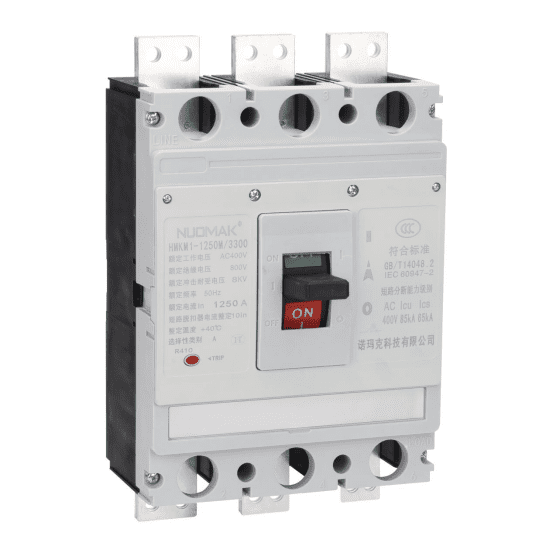
Nakon razumijevanja osnovnih razlika, odluke se mogu donositi u stvarnim projektima na temelju sljedeća tri načela:
Prvo, bez obzira radi li se o prekidaču s lijevanim kućištem ili okvirnom prekidaču, njegova prekidna sposobnost mora premašiti očekivanu maksimalnu struju kratkog spoja na mjestu ugradnje. Ovo je obavezan zahtjev. Drugo, u sustavima koji zahtijevaju selektivnu zaštitu—to jest, kada se kvar dogodi u nizvodnom vodu, aktivira se samo prekidač najbliži točki kvara, dok gornji prekidač ostaje zatvoren—uzvodni prekidač treba dovoljno kratko vrijemepodnosiva struja (Icw). Okvirni prekidači imaju prirodnu prednost u tom pogledu. Ako kratkotrajna izdržljivost prekidača s lijevanim kućištem (npr. 19,2 kA/1 s) zadovoljava zahtjeve selektivnosti sustava, također se može uzeti u obzir.
Složenost zaštite: Ako strujni krug zahtijeva samo osnovnu zaštitu od preopterećenja i kratkog spoja, prekidač strujnog kruga u lijevanom kućištu može biti dovoljan. Ako su potrebne složene krivulje zaštite, podešavanja parametara, zaštita od zemljospoja ili nadzor kvalitete električne energije, okvirni prekidač je bolji izbor.
Zahtjevi za kontinuitet napajanja: Na lokacijama s iznimno visokim zahtjevima za kontinuitetom napajanja, kao što su podatkovni centri, bolnice i tvornice s kontinuiranim proizvodnim linijama, selektivna zaštita i konstrukcija prekidača s lijevanim kućištem u obliku ladice mogu značajno skratiti vrijeme oporavka od kvara i poboljšati pouzdanost sustava.
Cijena: Pod pretpostavkom ispunjavanja zahtjeva performansi, rješenja prekidača u lijevanom kućištu općenito su isplativija. To uključuje ne samo cijenu same opreme, već i ukupnu uštedu troškova ormara koja proizlazi iz manjeg otiska unutar ormara.
Prostor: Za kutije za distribuciju električne energije ili kompaktne razvodne uređaje s ograničenim prostorom, prekidači u lijevanom kućištu idealan su izbor.
Glavni prekidači za podne ili prostorne razvodne kutije u velikim poslovnim zgradama i hotelima.
Zaštitni krugovi za motore klase 1600A kao što su velike vodene pumpe i ventilatori.
Dolazni linijski prekidači za razvodne ormare podatkovnog centra.
Glavni dolazni linijski prekidači za izlaze transformatora u glavnim prostorijama za distribuciju električne energije u zgradama, tvornicama i podatkovnim centrima.
Ulazni prekidači za veliki UPS i ormare za distribuciju kritičnog opterećenja.
Glavni sustavi distribucije električne energije u teškim industrijama kao što su metalurgija i kemijsko inženjerstvo.
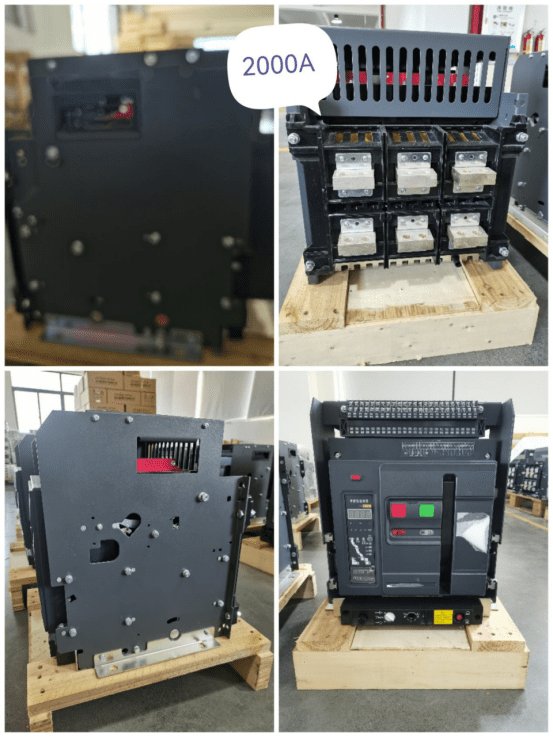
Ukratko, dok oboje MCCB 1600A i ACB-ovi dijele istu trenutnu ocjenu, imaju različite uloge. MCCB su kompaktni i isplativi za standardne distribucijske krugove, dok ACB-i nude veću fleksibilnost zaštite i jaču sposobnost kratkotrajnog izdržavanja za glavne sustave napajanja i kritična opterećenja.
NUOMAK nudi i 1600A MCCB i ACB rješenja proizvoda. Za smjernice za odabir temeljene na projektu, slobodno kontaktirajte naš tim za tehničku podršku.

WEB STRANICA&YUEQING NUOMAKE TECHNOLOGY CO.,LTD.
Pravila privatnosti | SiteMap
Autorska prava NUOMAK
 #!trpst#trp-gettext data-trpgettextoriginal=90#!trpen#Optimized by #!trpst#trp-gettext data-trpgettextoriginal=89#!trpen#Serafinit akcelerator#!trpst#/trp-gettext#!trpen##!trpst#/trp-gettext#!trpen#